


Cosmetics have been used for thousands of years to enhance beauty, express cultural identity, and treat skin conditions. Here is a brief history of cosmetics:
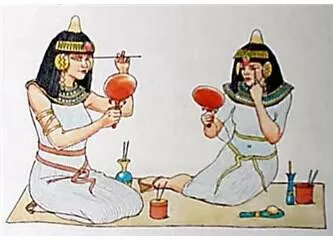
Ancient Egypt: Egyptians used cosmetics as early as 4000 BCE. They applied makeup to their faces, eyes, and lips using natural ingredients such as malachite, kohl, and henna.
Ancient Greece and Rome: Greeks and Romans used cosmetics for both beauty and medicinal purposes. They used lead-based cosmetics to whiten their skin, charcoal and soot to darken their eyebrows and lashes, and crushed berries to color their lips.
Middle Ages: Cosmetics fell out of favor during the Middle Ages due to the influence of the Christian church, which viewed makeup as sinful. However, women still used cosmetics discreetly.
Renaissance: Cosmetics became popular again during the Renaissance, especially in Italy. Women used white lead and vinegar to whiten their faces, and they used mercury to remove freckles.
18th and 19th centuries: Cosmetics became more widely available as they were mass-produced. Men also began using cosmetics, such as wigs, powder, and cologne.
20th century: Cosmetics underwent a significant transformation during the 20th century. Synthetic ingredients were developed, and makeup became more accessible to the masses. The beauty industry exploded with the introduction of products such as lipstick, mascara, and foundation.
Today, the cosmetics industry is a multi-billion dollar industry, and new products and trends continue to emerge. Cosmetics are used by people all over the world, and they continue to play an essential role in beauty and self-expression.