Makeup History
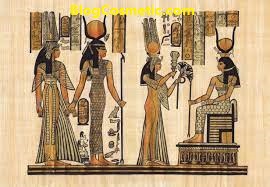
The use of makeup dates back to ancient times, with evidence of makeup being used in Egypt as early as 4000 BCE. The ancient Egyptians used a variety of natural materials to create cosmetics, including kohl (a type of eyeliner made from crushed minerals), red ochre (a pigment used for coloring lips and cheeks), and henna (a dye used for coloring hair and nails).
In ancient Greece, makeup was also popular, with women using a powder made from white lead to create a pale complexion. In the Middle Ages, makeup fell out of favor in Europe, as it was associated with prostitution and considered sinful.
During the Renaissance, however, makeup made a comeback, with women using lead-based white powders, vermilion (a bright red pigment made from mercury), and other cosmetics to enhance their beauty. In the 18th century, makeup became even more popular, with the introduction of new products such as lipstick, rouge, and eyebrow pencils.
In the 20th century, the cosmetics industry experienced a boom, with new products and brands being introduced on a regular basis. Advances in technology led to the creation of new products, such as waterproof mascara, long-lasting lipsticks, and mineral-based foundations. Today, makeup is a multi-billion dollar industry, with millions of people around the world using cosmetics to enhance their appearance.
Makeup has been used by humans for thousands of years, with evidence of cosmetics dating back to ancient civilizations like Egypt, Greece, and Rome. Here's a brief overview of the history of makeup:
Ancient Egypt (4000-3000 BCE): Egyptians used makeup for both religious and aesthetic purposes. They created black kohl eyeliner by mixing galena and other materials, and used red ochre and carmine to color their lips and cheeks. They also used perfumes and oils to scent their bodies.
Ancient Greece (800-300 BCE): Greek women used a white lead powder to create a pale complexion, and they also used red pigment to color their lips and cheeks. Greek men also used makeup, particularly for theatrical performances.
Ancient Rome (753 BCE - 476 CE): Like the Greeks, Romans used lead-based cosmetics to achieve a pale complexion. They also used kohl eyeliner and red pigment on their lips and cheeks.
Middle Ages (500-1400 CE): In the Middle Ages, makeup was primarily used by upper-class women. They used lead-based cosmetics, but also used more natural ingredients like beet juice to color their lips and cheeks.
Renaissance (1400-1600 CE): The Renaissance brought a renewed interest in beauty and cosmetics. Women used white lead powder and other cosmetics to achieve a pale complexion, and red pigment to color their lips and cheeks. They also used perfumes and scented oils.
Victorian Era (1837-1901): In the Victorian era, women used cosmetics to achieve a natural, healthy look. They used face powder, rouge, and lip stain, but generally avoided heavy makeup.
20th Century: The 20th century saw a wide range of makeup styles, from the flapper look of the 1920s to the colorful, dramatic looks of the 1980s. New makeup products were developed, including mascara, lipstick, and liquid foundation.
Today: Makeup is more diverse and accessible than ever before. There are countless brands and products available, and people use makeup to express themselves and enhance their natural features.
#makeuphistory #makeup